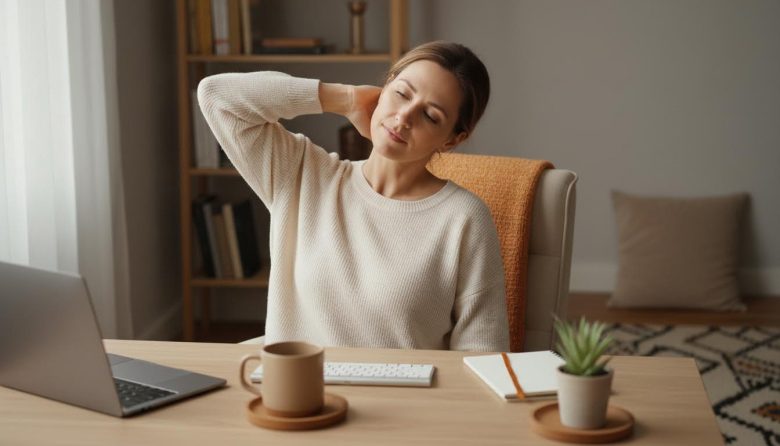
Picture this: You’re deep into your home office day, Zoom calls blending into emails, and suddenly your neck feels like it’s made of concrete. I know that ache all too well. Last year, I spent endless hours hunched over my laptop during back-to-back meetings, and by afternoon, my back was screaming for mercy. It wasn’t until I started slipping in quick desk stretches that everything shifted—no gym needed, just a few minutes right where I sit.
These simple moves fit any schedule, whether you’re a parent juggling kids’ homework or squeezing work between errands. They’re gentle, doable, and designed for real life, not some fancy studio. Many folks in our community swear by them for shaking off that mid-day fog. Stick with me, and you’ll have a routine that turns stiff hours into smoother ones. Ready to feel looser already?
I’ve shared this with friends battling the same home office woes, and the feedback? Game-changer. No more dragging through the afternoon slump. Let’s dive in and make your desk a friendlier spot.
If This Sounds Like You
Stiff neck after back-to-back meetings? You’re not alone—many of us twist just to glance at the screen.
Achy shoulders from hunching over your laptop all morning? It happens when we’re glued to keyboards, typing away.
Low-energy slumps hitting mid-afternoon? That foggy feeling creeps in after hours of sitting still.
Feet numb or tingling from being planted under the desk all day? It’s common in home setups without much movement. It’s okay if these hit home; plenty of us are right there with you.
Why a Few Minutes of Desk Stretches Can Transform Your Workday
A quick stretch breaks up tension like nothing else, boosting your energy without leaving your chair. Think about it: When blood flows better, your focus sharpens, and those nagging aches fade. Studies show even short moves increase circulation, easing tight muscles from prolonged sitting—perfect for our screen-heavy lives.
I’ve felt it firsthand powering through long writing days. Pairing stretches with a Balanced Day Planner for Light Home Wellness Habits keeps everything flowing smoothly. You get more done, feel less drained, and even sleep better at night.
Everyday example: After lunch, instead of zoning out, a few stretches wake up your body. Tension melts, posture improves, and you’re back to peak mode. It’s that simple shift many overlook but love once they try.
Plus, it builds resilience against those home office hazards like poor lighting or makeshift desks. Your body thanks you with steadier energy all day.
Try This First: The 2-Minute Neck and Shoulder Release
Start here—it’s the easiest entry point, no thinking required. Sit tall in your chair, feet flat on the floor. This quick release targets the spots that tighten first from screen staring.
Step 1: Gently roll your neck. Drop your chin to chest, then circle slowly to the right five times, then left. Breathe deeply—inhale up, exhale around. Feel that sweet loosening?
Step 2: Shrug your shoulders. Lift them high toward your ears, hold for three breaths, then drop and roll back five times. Imagine releasing the day’s stress with each drop.
Step 3: Deep breaths with arms. Extend arms out, clasp hands, and arch back slightly while inhaling deeply for 10 seconds. Exhale and relax. It’s okay if it feels awkward at first; many do, but it smooths out quick.
Do this every hour, and you’ll notice your neck thanking you by evening. I sneak it in between calls—total game-changer for staying comfy.
Your Go-To 10-Minute Desk Stretch Routine
Ready for the full flow? This 10-minute sequence hits all major desk tension spots, building on that neck release. Do it once midday or split into breaks. No equipment, just you and your workspace. Breathe steadily throughout—it’s your anchor.
- Neck Circles (1 minute): Sit upright, hands on thighs. Slowly circle your head clockwise five times, then counterclockwise. Pause at tight spots, breathing into them. This eases that forward-head hunch from endless scrolling.
- Shoulder Blade Squeeze (1 minute): Clasp hands behind your back or rest on lap. Squeeze shoulder blades together, hold 10 seconds, release. Repeat 8-10 times. Imagine pinching a pencil between them—great for opening your chest after typing.
- Seated Forward Fold (2 minutes): Feet hip-width, knees soft. Fold forward from hips, letting arms dangle toward floor. Hold 30 seconds, breathing deeply, then sit up slowly. Perfect for lower back release; modify by folding halfway if tight.
- Wrist and Arm Extensions (2 minutes): Extend one arm forward, palm up, gently pull fingers back with other hand. Hold 20 seconds per side, switch arms. Then, palm down, extend and pull. Shake out after—vital for mouse-hand fatigue.
- Ankle Rolls and Calf Stretch (4 minutes): Lift one foot, circle ankle 10 times each way. Then, extend leg, flex foot, and point toes 10 times. For calves, place heel on floor, toes on chair leg if possible, and lean forward gently. Switch sides. Revives numb feet beautifully.
Flow through once for full effect, or repeat favorites. I add soft music sometimes—it turns it into a mini-reset. Your body will crave this rhythm.
Transition smoothly: After stretches, notice how your posture feels taller. It’s these habits that stack up for lasting comfort.
Make It Your Own: Simple Tweaks for Your Day
Everyone’s setup differs, so adapt freely. Short on time? Trim to 5 minutes by picking two steps, like neck and shoulders.
Got a wall nearby? Stand for shoulder squeezes—push palms against it for extra chest openers. Beginners, halve hold times; it’s okay to ease in gently.
Target lower back? Add a seated twist: Hands on chair, rotate torso side to side, 10 breaths each. Desk too low? Prop feet on a box for better alignment during folds.
For variety, weave in a Home Workout Plan for Full Body Toning Twice Weekly on off-days. Or start mornings with a Morning Mindfulness Routine to Set Positive Home Vibes to prime your body. Many tweak like this and stick longer.
Listen to your aches—emphasize what’s calling loudest. You’re building a routine that fits your life, not the other way around.
Liam’s Story: How This Routine Rescued My Home Office Days
I used to wake stiff, dreading long desk hours. Endless Zooms left me rubbing my neck constantly, energy tanking by 2 p.m.
Starting with just the 2-minute release, I built to the full 10. Hurdles like forgetting? Phone reminders fixed it. Now, afternoons feel energized, not endless.
It’s gentle momentum—small wins led to typing without pain. If I can turn it around amid deadlines, so can you. You’ve got this.
Quick Tips to Stick With It Every Day
Tie stretches to habits: Post-coffee or pre-lunch. Set a phone chime for reminders. Pair with favorite tunes for fun.
What’s your go-to stretch from this? Share below and try one right now—small step, big relief.
FAQ
Do I need any equipment for these desk stretches?
Nope—just your chair and a bit of space around your desk. Everything uses bodyweight and gravity, so it’s perfect for any home office. Many start right at their setup without moving an inch. If you want, a rolled towel under knees adds comfort, but it’s totally optional.
What if I’m new to stretching and feel stiff?
Start slow with shorter holds—it’s okay to modify or even just breathe into the pose. Many of us felt wobbly at first, but consistency loosens things up gently over days. Focus on breath over perfection; your body adapts quicker than you think.
How often should I do the full routine?
Aim for once daily, like midday, but even 2-3 quick sessions help a ton. Listen to your body—more if tense, less on easy days. Over time, it becomes a natural break, fitting seamlessly into your flow.
Can this help with lower back pain from sitting?
Yes, moves like the seated fold and twists ease it gently by releasing built-up tightness. Regular practice improves posture and circulation, reducing pain over weeks. Many report less discomfort stacking these with daily walks.
Is it safe if I have an injury?
Listen closely to your body—skip anything sharp and go easy. It’s generally safe for most, but check with a doc if you have a specific injury. Better safe; we want relief, not setbacks.